
Vape Puffs Best Explained: Normal Puff Count, Nicotine Intake & Vaping Safety in 2026
Table of Contents
Introduction: Should You Be Tracking Your Puffs?
If you’ve ever checked your device and noticed your vape puffs count climbing into the hundreds, you’re not alone. Modern pod kits and vape devices now include built-in puff counters, making it easier than ever to track your habits. For many vapers, seeing the number can raise questions like:
- Am I vaping too much?
- Is my puff count normal?
- Should I reduce my puffs per day?
The truth is, there’s no single “perfect” puff count per day. Your ideal puff count depends on your nicotine strength, device type, and personal needs. In fact, monitoring puffs can be a helpful way to improve nicotine control, manage e-liquid usage, and maintain better vaping safety.
In this guide, we’ll explain what counts as normal, how puffs relate to nicotine intake, and practical tips to keep your vaping habits balanced in 2026 and beyond.
What Is a Puff Count and Why Does It Matter?
A puff count is simply the number of inhalations you take from your vape device. Many modern pod kits and advanced vape devices automatically track puffs, displaying the total on a screen.
Tracking puffs can help you:
- Understand your daily nicotine intake
- Prevent over-vaping without realizing it
- Make your e-liquid last longer
- Gradually reduce nicotine dependence
- Improve overall vaping safety
Think of puff count as a guide, not a rule. It helps you understand your habits so you can adjust them if needed.
How Many Daily Puff Count Is Considered Normal?
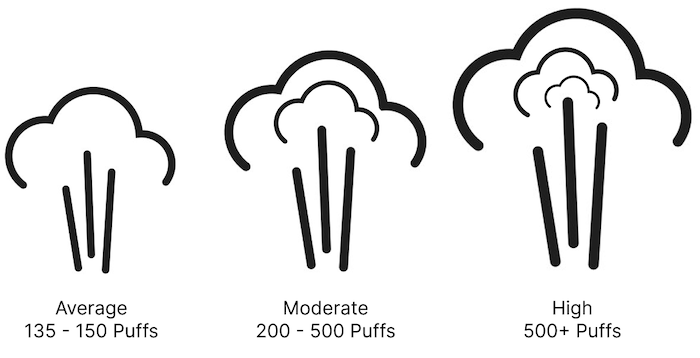
There’s no official medical standard for puffs per day, but surveys and user reports show typical ranges. Most vapers fall somewhere between 100 and 500 puffs daily, depending on their setup and nicotine strength.
Typical Puff Ranges
100–200 puffs per day – Light usage
This range is common among users of higher-strength nicotine salts (10mg–20mg) in pod devices. Stronger nicotine satisfies cravings faster, so fewer puffs are needed.
200–500 puffs per day – Moderate usage
This is considered normal for many regular vapers. It often includes people using mid-strength nicotine or vaping more frequently throughout the day.
500+ puffs per day – Heavy usage
Higher puff counts are more common among users with low nicotine strengths (3mg–6mg) or sub-ohm devices. These setups produce less nicotine per puff, so users naturally take more puffs.
Even counts above 600 puffs per day are not unusual for low-nicotine users, especially during stressful days or when vaping becomes a habitual activity.
Why Nicotine Strength Affects Your Puffs
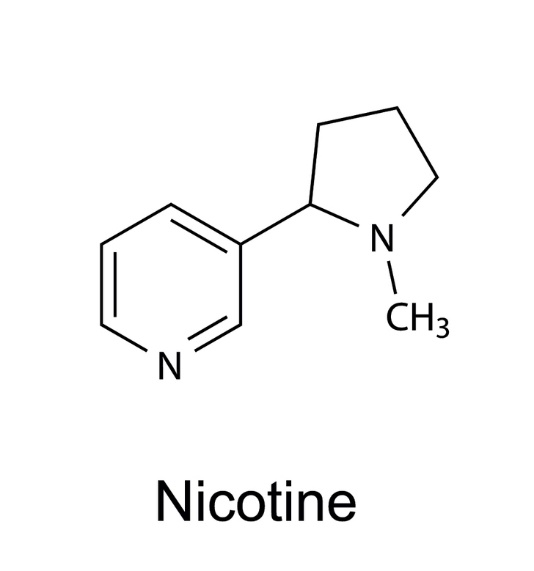
Nicotine strength is one of the biggest factors influencing your puff count. The relationship is simple:
- Higher nicotine strength = fewer puffs needed
- Lower nicotine strength = more puffs needed
For example:
- A person using 20mg nicotine salts may only need 150 puffs per day.
- Someone using 3mg freebase nicotine might take 500 or more puffs daily.
This doesn’t necessarily mean one person is vaping more dangerously; it reflects how much nicotine is delivered per puff.
Nicotine salts are especially efficient at delivering nicotine quickly, which is why they are popular among people transitioning away from cigarettes.
Device Type Also Changes Your Puff Count
Not all vape devices deliver nicotine the same way. Your device plays a major role in determining your count.
Mouth-to-Lung (MTL) Devices
These devices simulate the feeling of smoking. They use higher nicotine strengths and produce smaller vapor clouds.
Result: Lower puff count
Direct-to-Lung (DTL) Devices
These produce larger clouds and use lower nicotine strengths.
Result: Higher puff count
Pod Kits
Pod systems balance convenience and nicotine efficiency, making them one of the most popular choices in vaping 2026.
How Many Puffs Equal One Cigarette?
This is one of the most common questions among people switching from smoking.
On average:
10 to 15 puffs provide a similar nicotine satisfaction to one cigarette.
Since a pack contains 20 cigarettes, this equals approximately:
200 to 300 puffs per day for a pack-a-day smoker
This estimate varies depending on nicotine strength, puff duration, and device efficiency.
Signs You May Be Taking Too Many Puffs
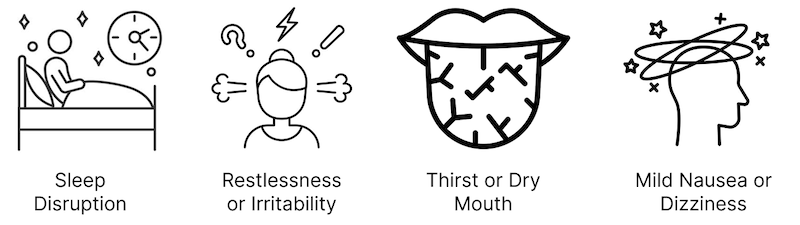
Your puff count alone doesn’t determine whether you’re vaping too much. What matters most is how your body responds. Possible signs of excessive nicotine intake include:
- Headaches
- Dizziness
- Nausea
- Increased heart rate
- Dry mouth
- Fatigue
- Mild anxiety or restlessness
If you experience these symptoms regularly, reducing nicotine strength or lowering your puffs per day may help. Vaping safety is about balance, using vaping as a tool rather than letting it become uncontrolled.
Why Puff Counters Are Useful in Vaping 2026
In vaping 2026, puff counters have become a standard feature in most modern vape devices. They provide valuable insight into your usage patterns.
Benefits include:
Improved awareness
Many users underestimate how often they vape. Puff counters provide accurate data.
Better nicotine control
Tracking puffs helps you adjust nicotine strength appropriately.
Cost management
Monitoring puff count helps you predict e-liquid usage and reduce waste.
Habit management
Awareness helps prevent unconscious chain vaping while working, gaming, or watching videos.
Puff counters empower users to make informed decisions about their vaping habits.
How to Reduce Your Puffs Safely
If you want to lower your puff count, gradual changes are the most effective approach.
1. Choose the Right Nicotine Strength
If you constantly vape without feeling satisfied, your nicotine strength may be too low. Switching to a slightly higher strength can reduce overall puffs.
2. Set Daily Puff Awareness Goals
You don’t need strict limits, but awareness helps. For example, reducing from 500 puffs to 400 per day is meaningful progress.
3. Avoid Habit-Based Vaping
Many people vape out of boredom rather than nicotine need. Try delaying your next puff by a few minutes.
4. Stay Hydrated
Drinking water reduces dry mouth and helps prevent unnecessary vaping.
5. Use Efficient Devices
Modern pod kits deliver nicotine efficiently, reducing the need for excessive puffs.
Vaping Safety Tips Every Vaper Should Follow
Maintaining vaping safety ensures vaping remains a safer alternative to smoking.
Key safety tips include:
Use appropriate nicotine strength
Too little can increase puff count, while too much can cause discomfort.
Take breaks between vape sessions
Continuous vaping increases nicotine intake unnecessarily.
Monitor your e-liquid usage
Excessive consumption may indicate over-vaping.
Choose reliable devices and e-liquids
High-quality products provide consistent nicotine delivery.
Listen to your body
Symptoms like dizziness or nausea are signals to reduce intake.
Responsible vaping improves both safety and satisfaction.
Puffs and Nicotine Control for Former Smokers
For former smokers, puffs play an important role in transitioning away from cigarettes. Many users naturally reduce their puff count over time as nicotine dependence decreases.
Typical progression:
Stage 1: Higher puff count while adjusting
Stage 2: Stable puff count with consistent nicotine strength
Stage 3: Gradual reduction in nicotine strength and puffs
This gradual transition makes vaping an effective harm-reduction tool.
How Puff Duration Affects Them
Not all puffs are equal. Puff duration changes nicotine intake significantly.
For example:
- A 2-second puff delivers less nicotine
- A 5-second puff delivers significantly more
Someone taking shorter puffs may have a higher puff count but similar nicotine intake compared to someone taking fewer, longer puffs.
This is why puff count should always be viewed alongside nicotine strength and vaping style.
Vaping in 2026: Smarter Devices, Better Control
Vaping 2026 is defined by smarter devices designed to improve user awareness and control.
Modern features include:
- Accurate puff counters
- Adjustable power settings
- Nicotine-efficient pod systems
- Battery usage tracking
These innovations help users manage puffs more effectively while improving overall vaping safety.
As technology advances, vaping continues to become more controlled and personalized.
Conclusion: Your Ideal Puff Count Is Personal
There is no universal number of puffs that works for everyone. Most users fall between 100 and 500 puffs per day, but your ideal puff count depends on your nicotine strength, device, and personal goals.
The most important questions to ask yourself are:
- Are you satisfied without constant cravings?
- Are you staying away from cigarettes?
- Do you feel comfortable and healthy?
If the answer is yes, your puff count is likely appropriate.
Puff counters should be used as a helpful guide, not a source of stress. By choosing the right nicotine strength, using efficient devices, and maintaining vaping safety, you can stay in control of your vaping habits.
Vaping is a personal journey, and every step toward better nicotine control is progress.
FAQs About Vaping Puffs
How many puffs a day is normal for a vape?
A normal range for most vapers is 100 to 500 puffs per day. People using higher nicotine strengths (10mg–20mg nic salts) usually take fewer puffs, while those using lower nicotine strengths (3mg–6mg) may take more. Your ideal puff count depends on your device, nicotine strength, and personal cravings.
Is 5000 puffs a lot?
Yes, 5000 puffs in a single day would be considered extremely high and is not typical for most users. However, 5000 puffs refers more commonly to the total lifespan of a disposable vape, not daily usage. For most vapers, 5000 total puffs can last anywhere from 1 to 3 weeks, depending on usage habits.
Is 900 puffs a day too much?
900 puff per day is considered high, but it can happen if you use low nicotine strength or vape frequently throughout the day. It may indicate that your nicotine strength is too low or that vaping has become habitual. If you experience symptoms like dizziness, headaches, or nausea, consider reducing your puff count or adjusting nicotine strength for better vaping safety.
How long should 1000 puffs last?
1000 puff typically last between 2 and 7 days, depending on how often you vape.
- Light users (100–200 puffs/day): about 5–10 days
- Moderate users (200–400 puffs/day): about 3–5 days
- Heavy users (500+ puffs/day): about 1–3 days
Devices with higher nicotine strengths usually last longer because fewer puffs are needed.